Tennant Creek and the Barkly: The NT's Best Kept Secret
Most people drive straight through Tennant Creek without stopping. Halfway between Darwin and Alice Springs on the Stuart Highway, it's easy to treat it as a fuel stop and keep moving. That's a mistake — and locals will tell you so.
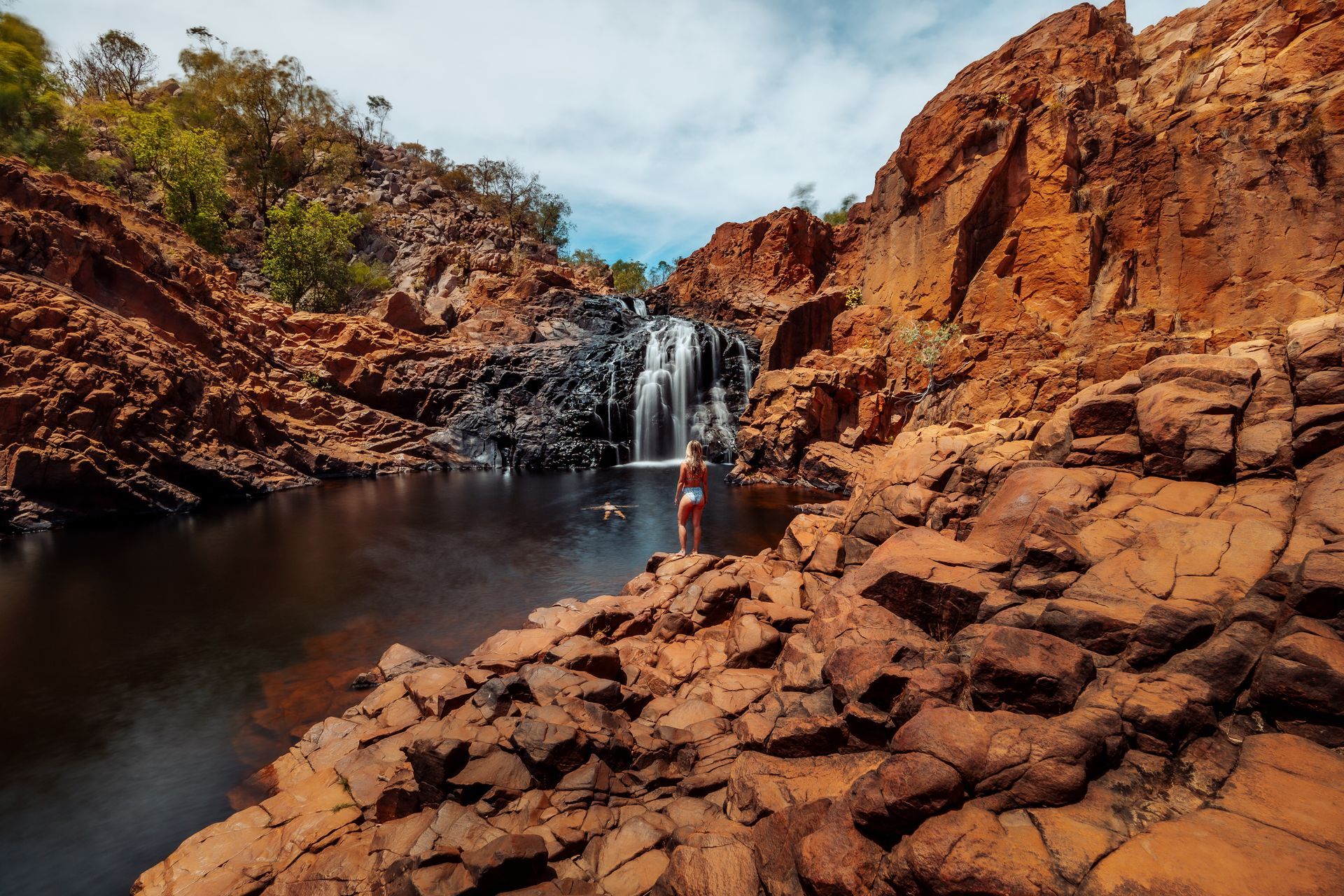
The Barkly region, centred on Tennant Creek, is one of the Northern Territory's most genuinely surprising destinations. Ancient sacred landscapes, a gold rush history that shaped an entire town, world-class stargazing, and a living Aboriginal culture that goes back tens of thousands of years. Travel Gateway is here to make sure you don't miss it.
Why the Barkly Region Deserves More Than a Quick Stop
The Barkly Tablelands cover more than 320,000 square kilometres — a region larger than Italy. Let that sink in for a moment.
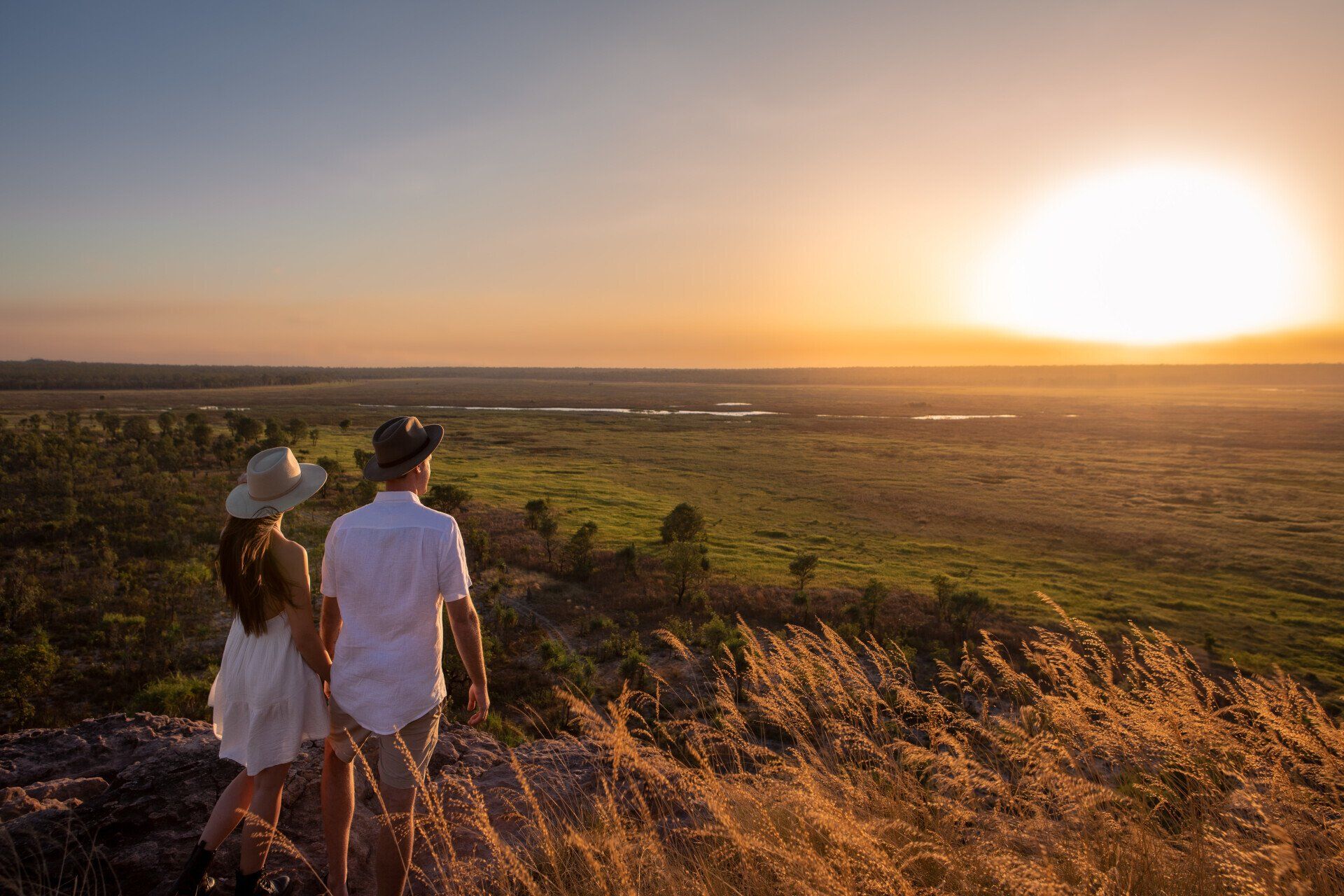
This is outback Australia at its most expansive. Vast cattle stations stretch to the horizon. The sky feels bigger here than almost anywhere else in the country. And at the centre of it all sits Tennant Creek, a town with a story that most Australians have never heard.
First established during Australia's last major gold rush in the 1930s, Tennant Creek grew fast and grew tough. The gold is still there. So is the character.
Karlu Karlu (Devils Marbles): One of Australia's Most Sacred and Spectacular Sites
Here's what surprises most first-time visitors: Karlu Karlu is genuinely one of the most extraordinary natural sites in Australia — and it barely gets the attention it deserves.
Located 95 kilometres south of Tennant Creek along the Stuart Highway, Karlu Karlu is a collection of ancient granite boulders, some perfectly balanced, some split cleanly in two, scattered across a wide valley floor. They've been eroding and cracking for millions of years.
For the Warumungu, Kaytetye, Alyawarr, and Warlpiri peoples, Karlu Karlu is a place of deep spiritual significance. Walking through it is a different experience entirely to looking at photos — which, for once, genuinely don't do it justice.
Local Tip:
Get there at sunrise or sunset. The boulders shift from burnt orange to deep red to almost purple as the light changes. Arrive early, bring water, and allow at least two hours to walk the site properly.
Fossicking for Gold in Australia's Last Gold Rush Town
This is the one that surprises people most: you can still fossick for gold in Tennant Creek.
The Battery Hill Mining Centre on Peko Road is where it all started — the No. 3 Government Gold Stamp Battery, the centrepiece of the 1930s gold rush that put Tennant Creek on the map. Today, visitors can take a mine tour underground, explore three museum displays, and learn exactly how an outback gold rush turns into a functioning town.
But the real surprise? The gold never ran out. Tennant Creek is still considered one of the most prospective gold regions in Australia. With the right permit, you can head out and try your luck — and people do find gold here.
It's the kind of hands-on, genuine outback experience that's impossible to manufacture.
Nyinkka Nyunyu: A Cultural Experience That Changes How You See the Territory
The Nyinkka Nyunyu Art and Culture Centre in Tennant Creek is one of the finest cultural centres in the Northern Territory — and one of the most undervisited.
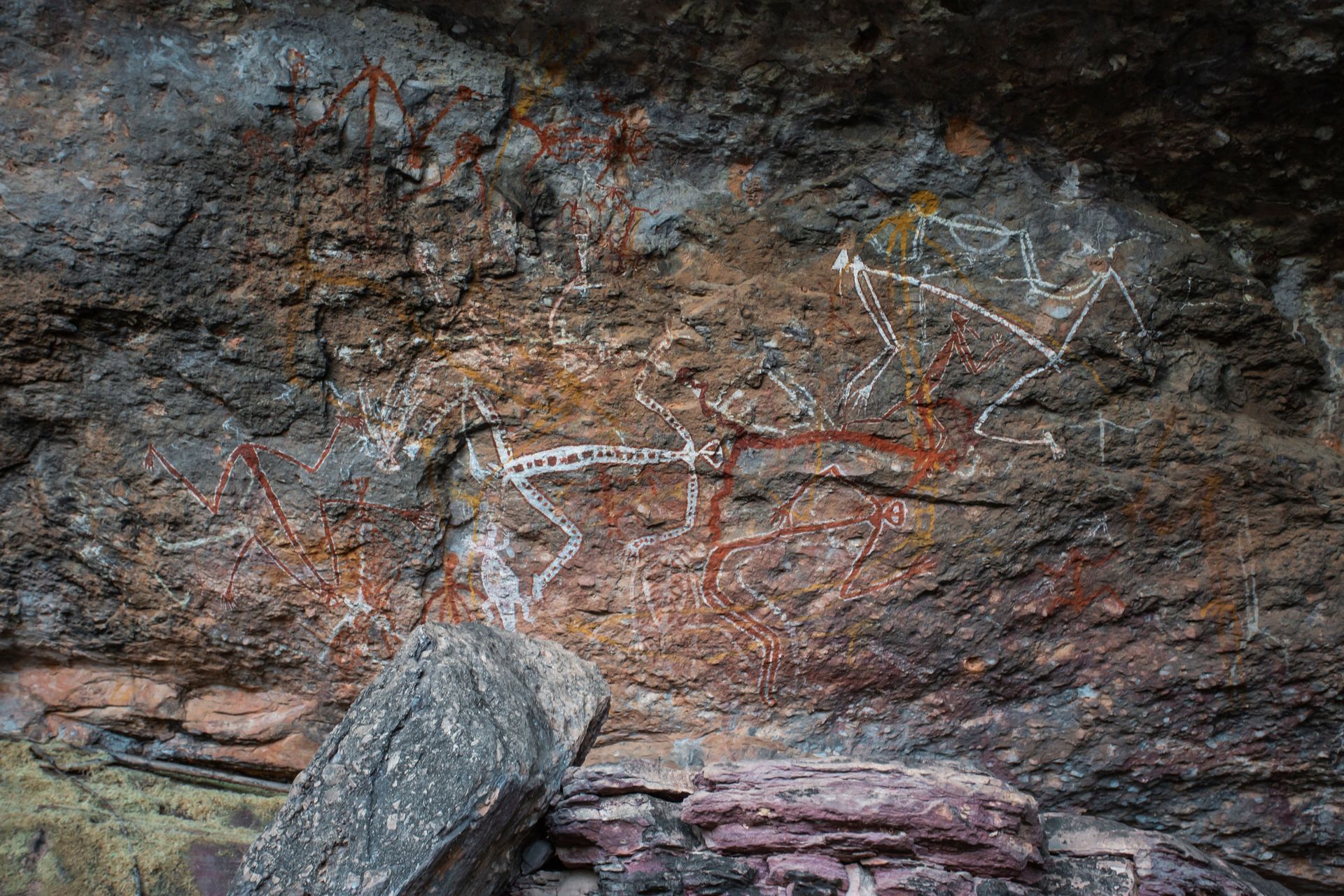
Built on Warumungu Country, Nyinkka Nyunyu offers visitors the chance to understand the living culture of the Warumungu people — their stories, their connection to Country, their art, and their history in this region that stretches back tens of thousands of years.
This isn't a museum in the traditional sense. It's an active, breathing cultural space. Allow at least half a day. The café on site — Jajjikari Café — is also well worth a stop.
Stargazing in the Barkly: One of Australia's Great Night Skies
Ask anyone who's spent a night in the Barkly and they'll tell you about the stars.
With minimal light pollution across the entire region, the night sky out here is something else entirely. The Milky Way is visible with the naked eye on a clear night, and clear nights are the norm for most of the year.
There's no gimmick here — no purpose-built stargazing platform or ticketed experience. Just the outback, the dark, and one of the best natural light shows on the planet.
The Tennant Creek Telegraph Station: History Hidden in Plain Sight
Most travellers on the Stuart Highway don't know the Tennant Creek Telegraph Station is there. It's one of the original stations built along the Overland Telegraph Line in the 1870s — part of the extraordinary engineering project that connected Darwin to Adelaide and changed Australia forever.
A self-guided walking trail takes you around the historic site, with interpretive signage explaining the stories of the people who built it, lived there, and kept the line running across some of the most remote country in the world.
It's free to visit, genuinely fascinating, and takes around an hour. Don't skip it.
Planning Your Visit to Tennant Creek and the Barkly Region
The best time to visit is during the dry season, from May to September. Days are warm and sunny, mornings are cool, and the roads are in their best condition. This is also peak fossicking and outdoor exploration season.
Tennant Creek is accessible by road via the Stuart Highway, and AirNorth operates scheduled flights from Darwin, Katherine, and Alice Springs into Tennant Creek Airport.
Travel Gateway can help you build a Barkly itinerary that makes the most of your time in the region — whether you're stopping for two days on a road trip or building a longer NT adventure around it.
The Barkly Region Is Worth Far More Than a Fuel Stop
Tennant Creek and the Barkly have been called the Territory's best kept secret — and it's easy to see why. Ancient landscapes, gold rush history, living culture, extraordinary stargazing, and a genuine outback character that's hard to find anywhere else.
The travellers who stop here leave wondering why they almost didn't. Ready to explore the Barkly properly? Head to the Travel Gateway Barkly region page and start planning your trip today.